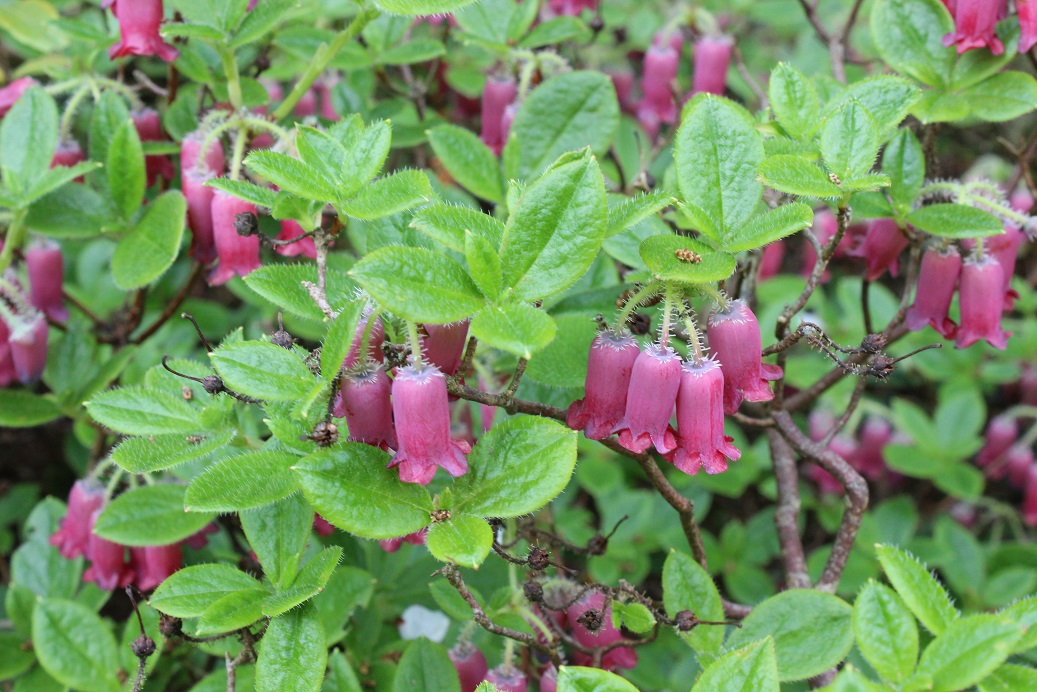
 This is Menziesia ciliicalyx var. multiflora photographed last May in the wonderful garden at Andrew’s Corner. I had never heard of it then, I haven’t seen it since. My job is a continual education and most days I am reminded just how ignorant I am. I was quite taken with this ericaceous beauty. The name, however, needs a little work.
The First Rose
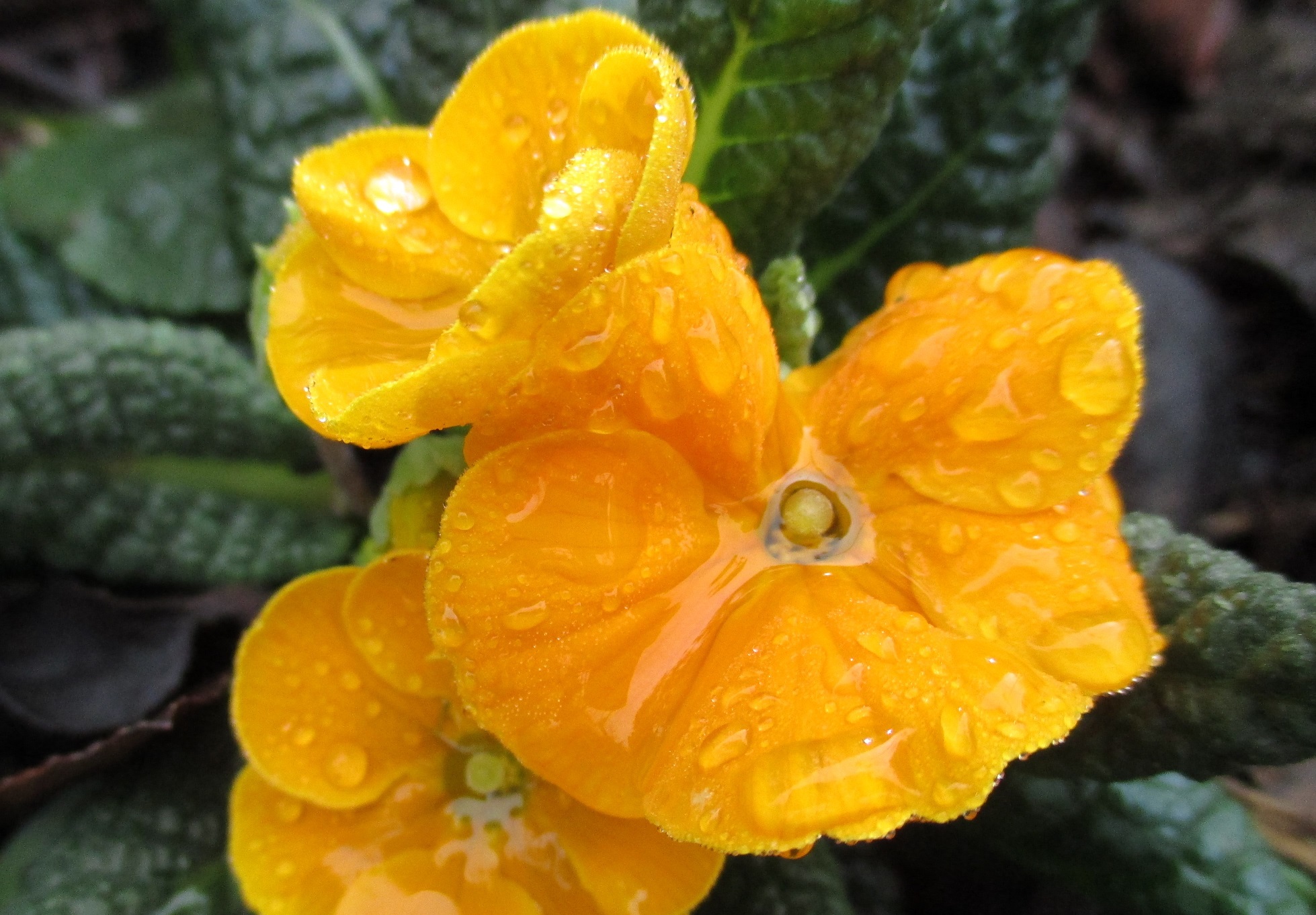 The day has been blustery and unstable, veering from sun to hail to sleet like a out of control shopping trolley. Luckily it was not a gardening day, it was a writing day. I have been writing about medicinal plants. So what do you want to know? Sea buckthorn fruit is good for burns and was used extensively to treat the victims of Chernobyl. Monarda is good for excessive flatulence. The epithet “officinalis” was used by Carl Linneaus to denote a plant used medicinally. Galantamine hydrobromide is a chemical found in narcissus bulbs and is used to treat Alzheimer’s. Primrose flowers can be made into wine. What do you mean? Wine is medicine!
The Magic Tree
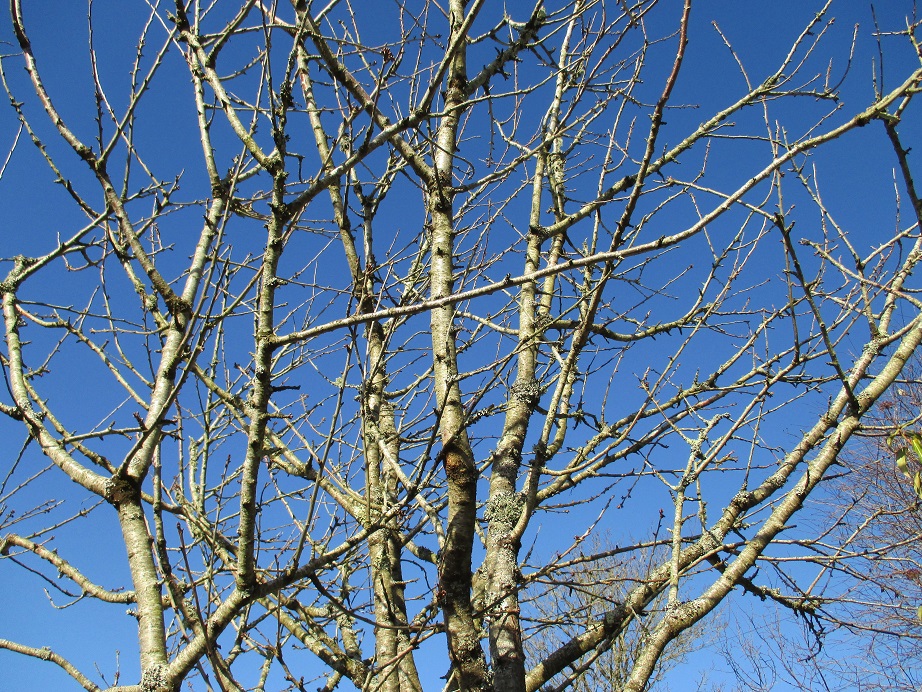 When asked if I had room for a new client, I explained that regretfully I was “full up”. When I was told that the garden was situated in Exmoor National Park and hadn’t been touched except by chainsaw and strimmer for 6 years, I conceded that it would do no harm to take a look, with the intention of putting it on my reserve list. When I visited on a clearest blue day, driving past black-eyed sheep ducking under gates, across a shamelessly idyllic ford, up snowdrop edged hills ominously signed “check your brakes”, down skinny lanes to a place just past “the back of beyond”, I began to wonder if with a little juggling I could perhaps fit them in once a month. When I was shown around the neglected site, eyes darting from mature magnolias to fragrant Viburnum bodnantense, Japanese acers and ancient fruit trees, extra oil had been liberally applied to the already slippery slope. When I was told that the cherry tree shown above is known as The Magic Tree, I took out my diary and booked them in. When I learned that this is because it is the only place you can get a phone signal, the dye was well and truly cast.
Great North Devon Sowing Bee
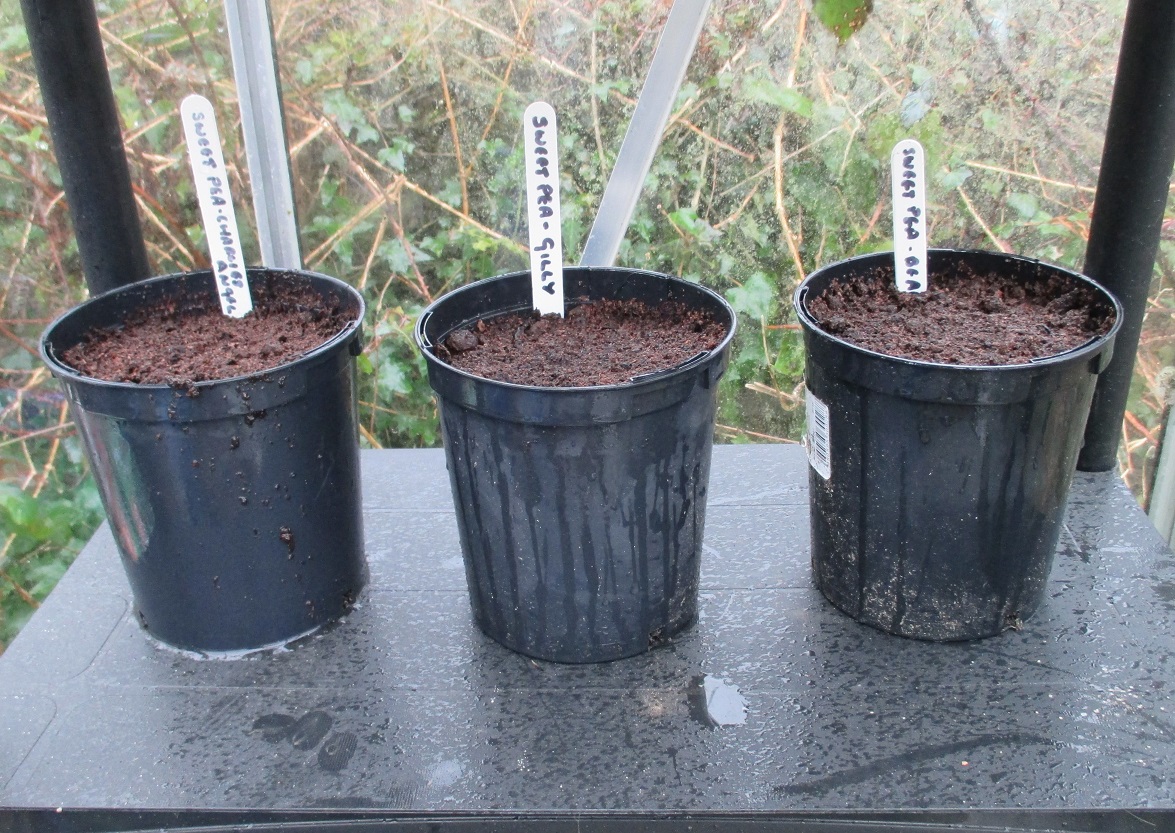 The weather was atrocious yesterday, making it the perfect day for the first sowing session of the year. To mark the occasion we had a Sowing Bee at The Farm. Although owner of a mysterious box of half empty seed packets Mrs G allegedly hasn’t grown anything from seed before. Perhaps nocturnal sowing somnambulism is the reason that the courgette packet was empty, perhaps Mr G has a secret allotment garden full of monster leeks that we haven’t found yet, perhaps Mr D has been growing celeraic to satisfy Babe “Psycho Chihuahua”‘s lust for nobbly vegetables. Whatever the reason it was a privilege to show Mrs G just how simple and rewarding growing plants from seed can be. We sowed sweet peas, Californian poppies, french marigolds, Welsh poppies, beetroot and parsnips in modules, sugar snaps, agastache, rudbeckia. Nothing rare, nothing complicated, just good garden-worthy plants. Plants that will fill the site with colour and plants that will taste good. Plants that will win the Village Show. Sorry did I say that out loud?
Alternatives
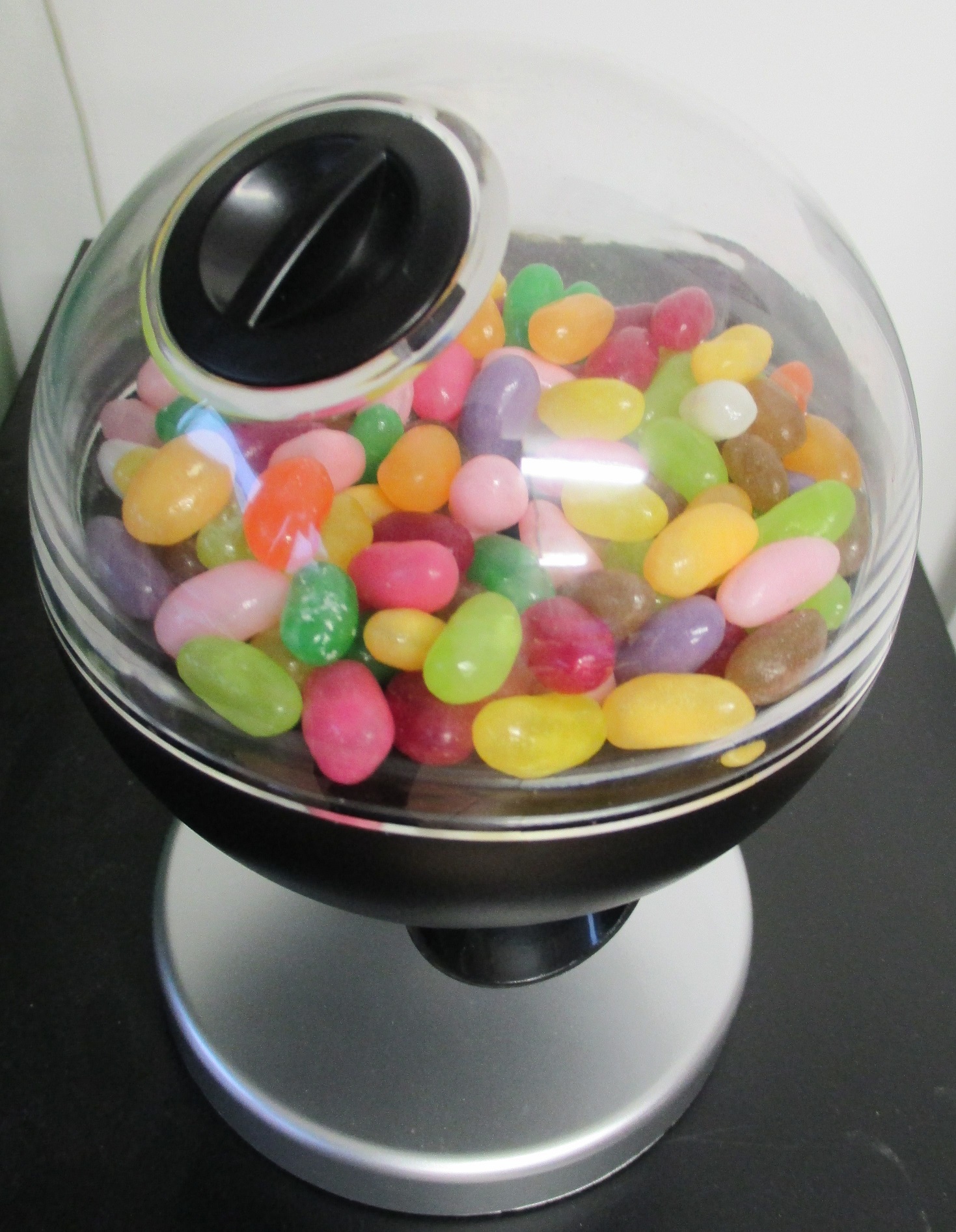 At The Farm this morning I quizzed George’s Mum and Dad on the extent of their gardening activities in the last week. Mrs G told me that unfortunately they hadn’t managed to find the pelleted chicken manure I had asked them to buy. She had however managed to purchase, for a very reasonable price, a sweetie dispenser. This folks, is what I have to work with.
Kerria japonica “Pleniflora”
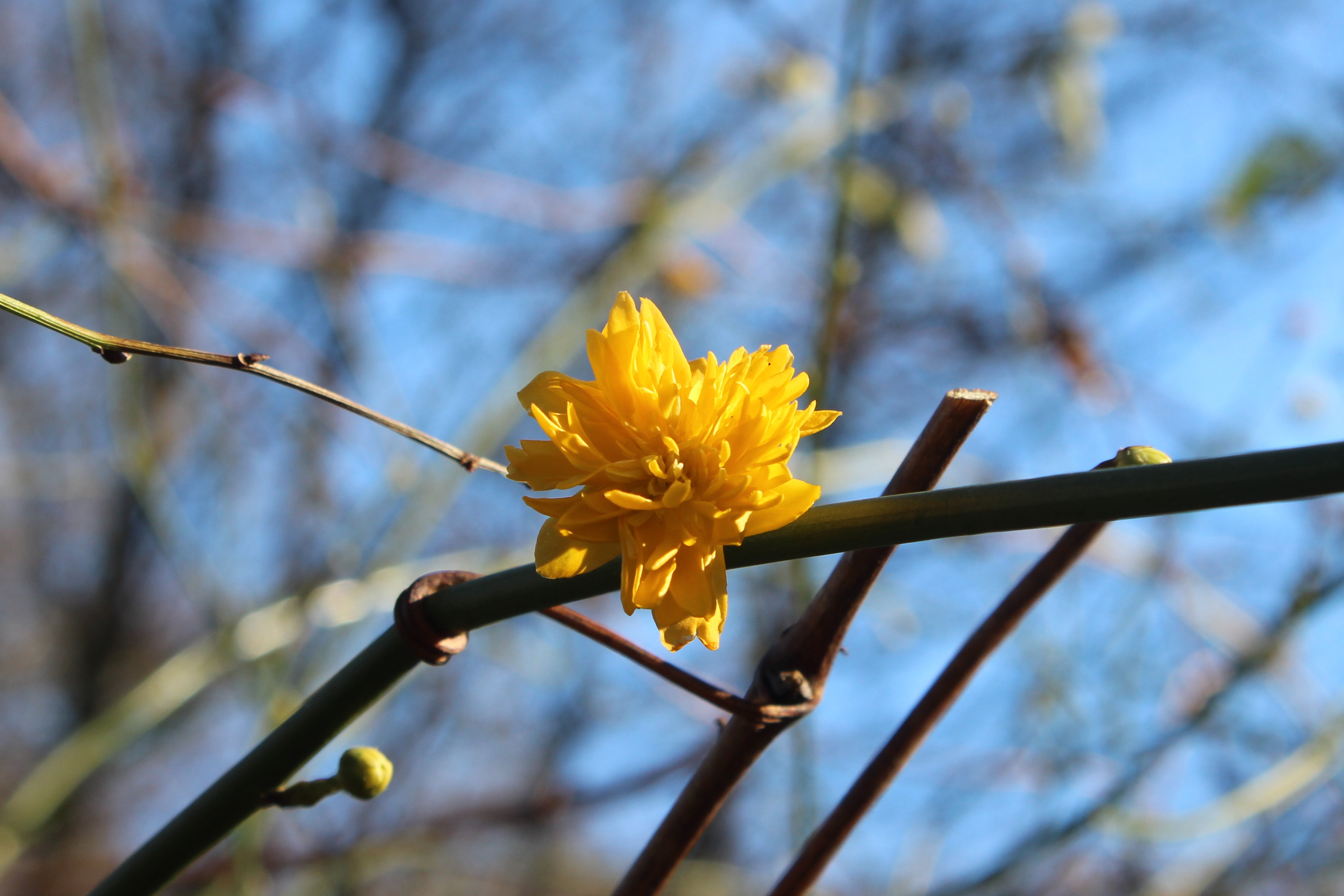 Perhaps a little early for a full display, this Kerria japonica “Pleniflora” was sending out an advance scout in the warm sun this week. Sometimes called the Japanese Rose it is indeed in the family Rosaceae and is native to China, Japan and Korea. Thicket forming with tall lax stems up to 2m high, it can be a little untidy, and sometimes a little forward, in the garden. This lithe shrub is named after the late 18th century/early 19th century Scottish plant hunter and gardener William Kerr who collected specimens in China for Sir Joseph Banks. Unfortunately during his time in the east he developed an opium habit, this is thought to have led to his early death in 1814. Not a very pretty story, but I think it is worth remembering that addiction is not a disease exclusive to modern times. It is however a very beautiful shrub, perhaps we should dwell on that fact. As Johnny Mercer wrote:
You’ve got to accentuate the positive
Eliminate the negative
And latch on to the affirmative
Don’t mess with Mister In-Between
You’ve got to spread joy up to the maximum
And bring gloom down to the minimum
And have faith or pandemonium is liable
To walk upon the scene
Most days anyway!
Pixies, Persians and Previews
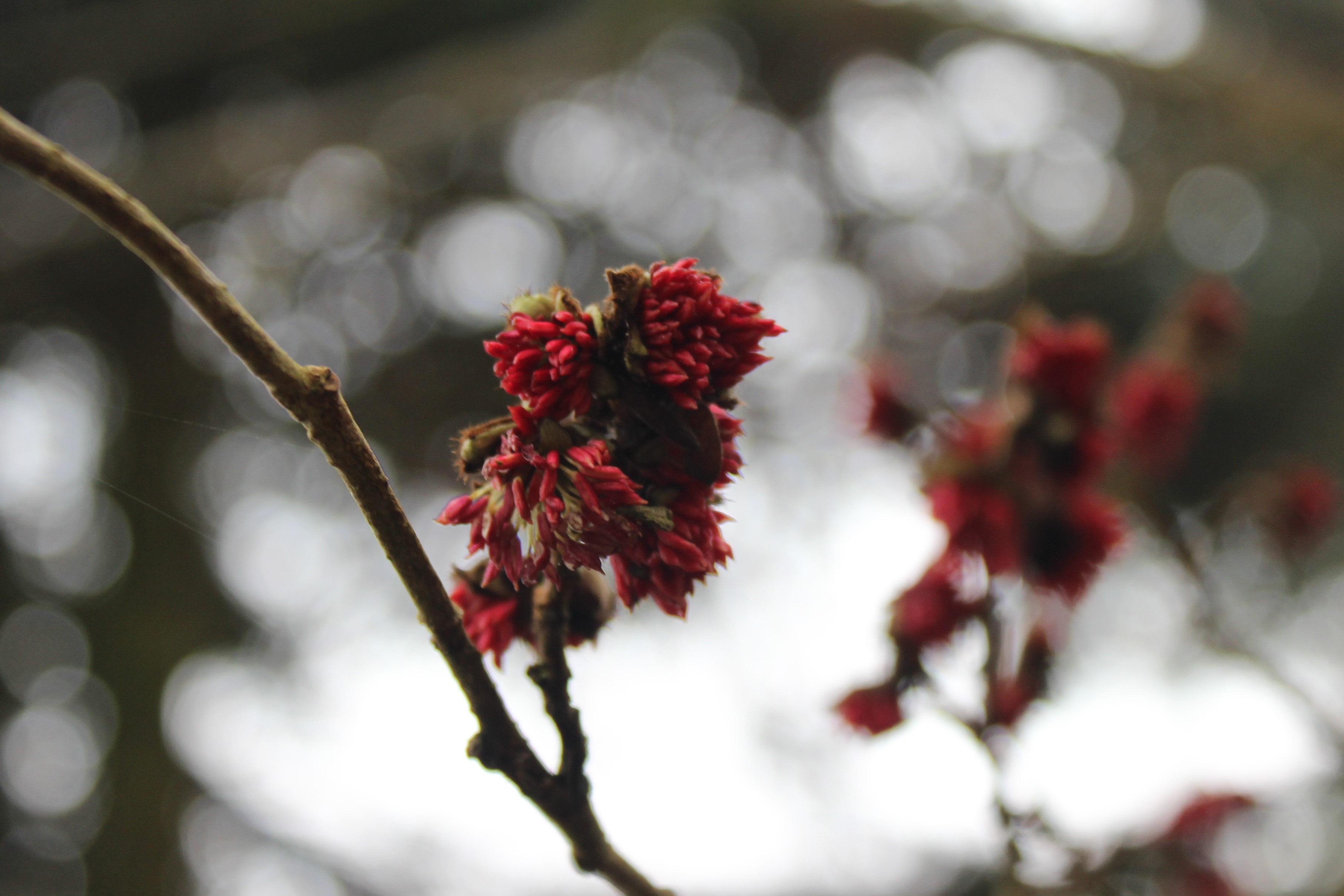 The Persian Ironwood, Parrotia persica, is one of my favourite trees (although there are quite a few that fall into this category) and was in fine flower this week at Marwood Hill Gardens. We were lucky enough to be able to sneak a peak before the garden opens officially in March. There is something very special about wandering around such a beautiful place knowing that you are alone. Of course the little pixies who work so hard to keep it looking good were there as well, but they sensibly ducked into the shrubbery when we were in close vicinity. So shy and unassuming!
Charming
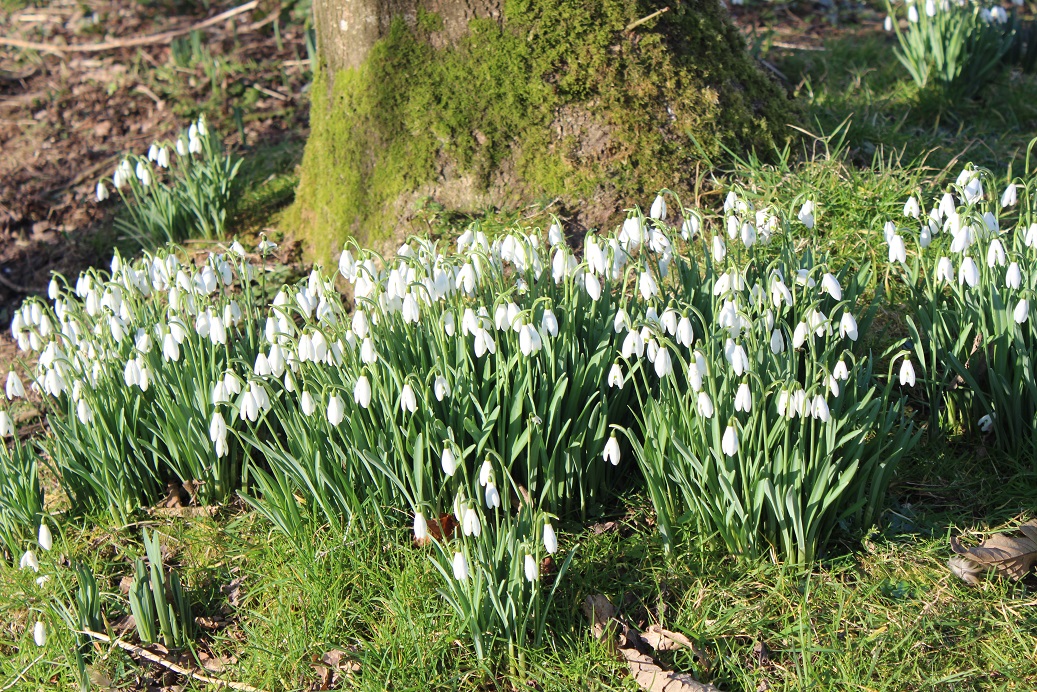 The pressure to feature snowdrops at this time of year is extreme. Everywhere you look there are delicate white blooms with varying amounts of green and reflex. I have succumbed. The lure of these milky blooms is irresistible. They have earned their place here not just because they are harbingers of longer days and warmer feet. They have earned their place because they are charming and would be such at any time of the year. These flowers, nestled in the mossy base of a tree, are not expensive, nor rare, they are just minding their own business basking in the winter sun. Happy days indeed.
Puzzle
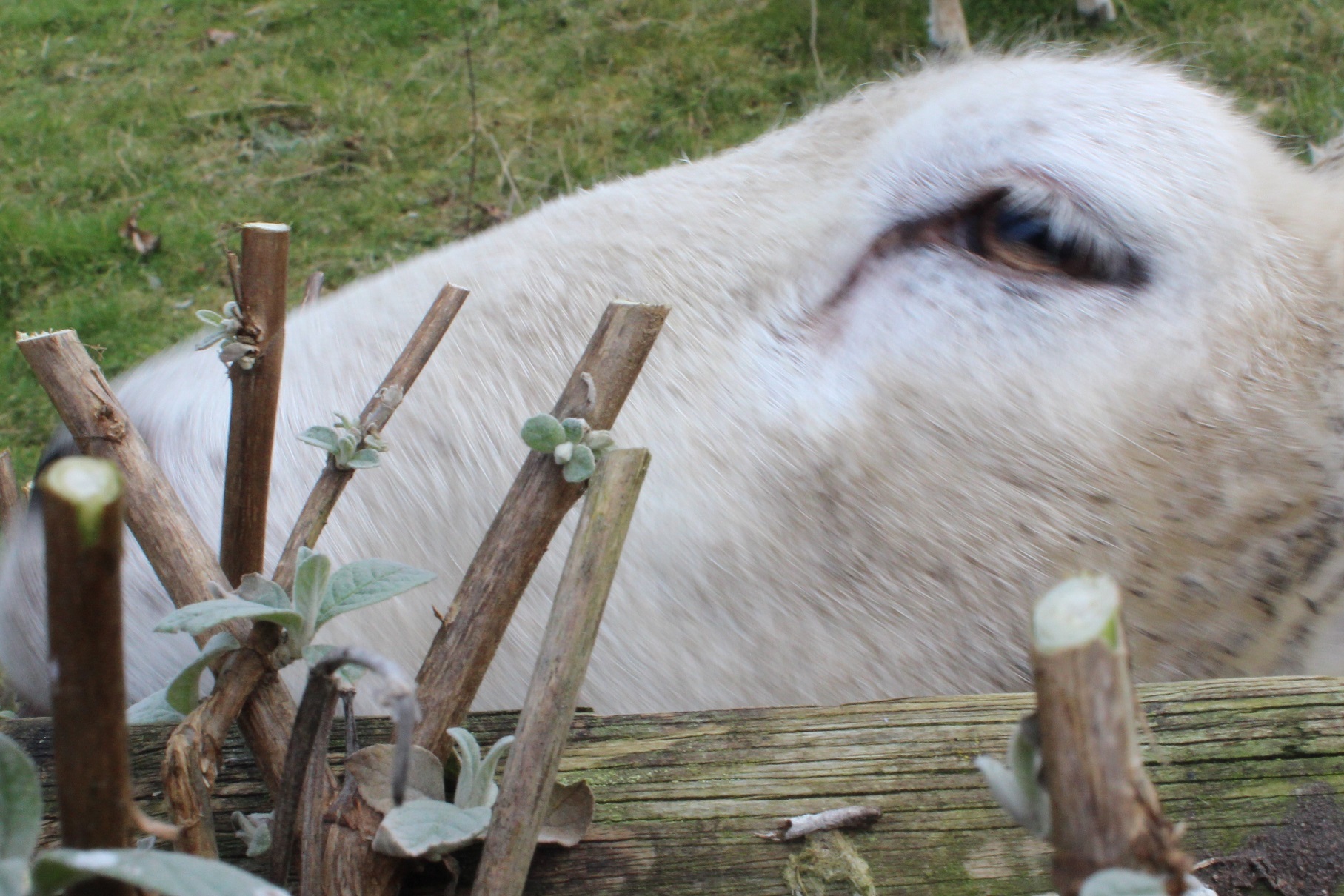 Today I have been trying to work out why this buddleja hedge has so many bald patches at the back, stripped of foliage and snapped in places. Perhaps it is a type of fungal die-back or particularly aggressive snails. If only there was some sort of clue. Seriously it is very tricky trying to prune (my excuse for the poor effort in this photo) whilst a far-too-fearless sheep is trying to do the same on the other side of the fence. On several occasions she nearly had a pierced nose!
Monsters
 There is good vegetable growing and there is showing off. The parsnip at the front is for the purposes of scale and is at this moment in time feeling very inadequate. Well done to the du Mauriers for producing these monsters. I did wonder if they were glowing green, just a little …..
 Off The Edge Gardening