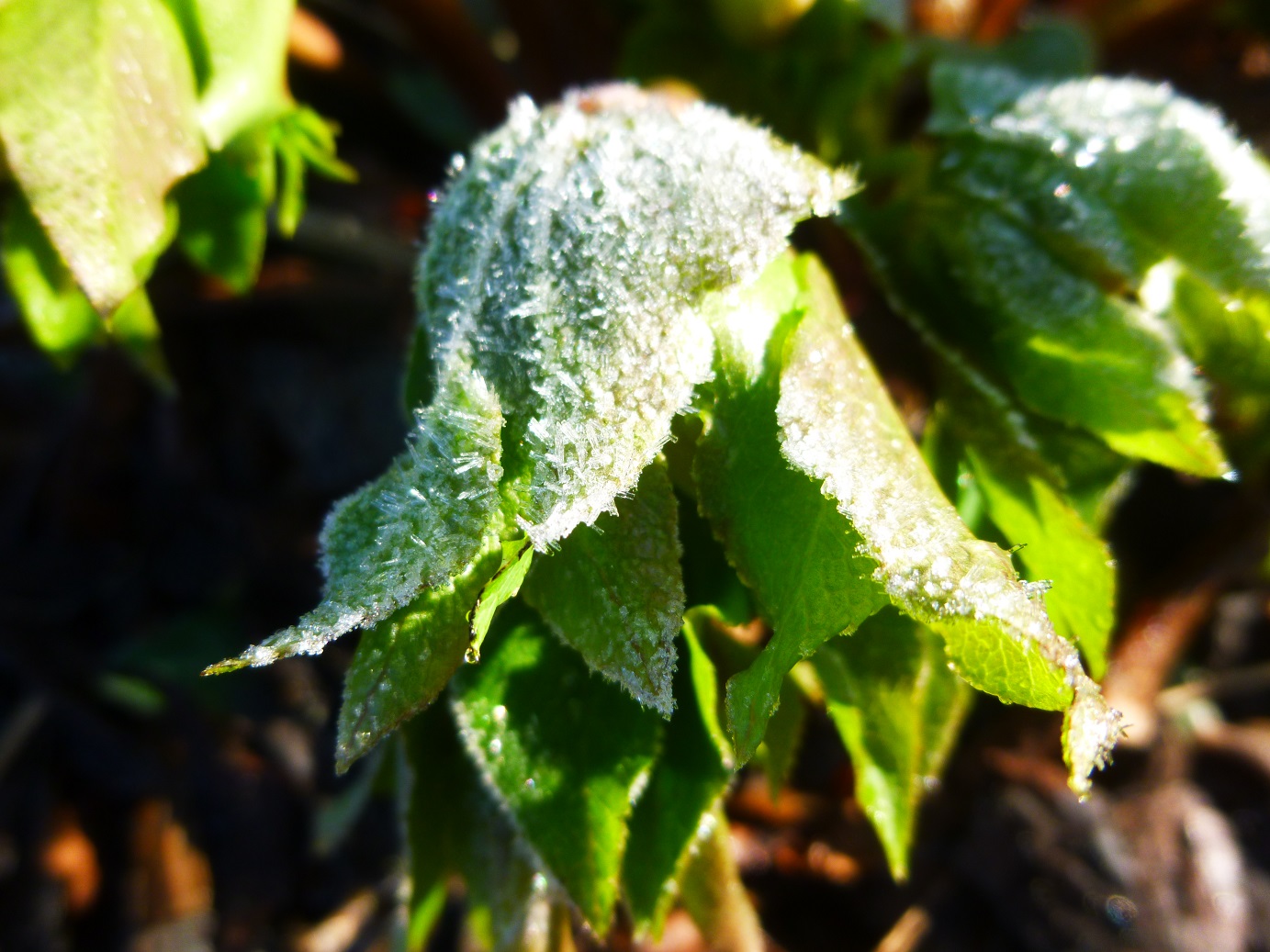
Today I have been working on a piece for Devon Life magazine about Castle Hill Gardens. Sorting through the masses of photos I took last April of this enchanting Palladian House with its extensive landscape gardens, I came across this photo of Fothergilla major Monticola Group, sometimes known as the Alabama Witch Alder. This shrub, and indeed all of its relatives, has been on my Lust List for a while, certainly since moving to the acidic soils North Devon. When I came across this fine specimen I undoubtedly stood and stared for a while, I may have even dribbled a little.
This, to my mind under-rated, genus was named after Dr John Fothergill, an 18th century Quaker. He was an eminent physician, philanthropist and botanist with a penchant for American plants, a very busy man but I don’t expect he had to wash his own socks. This deciduous shrub is native to the Allegheny Mountains in the US which span from Virginia to South Carolina. Related to the witch hazel, in the family Hamameleoaceae, the scented fluffy white/golden flowers bloom in April and May and are much-loved by bees and other pollinators. After a summer providing a valuable backdrop to the summer shiners, in autumn the fun begins again. The foliage turns firework shades of yellow, orange and red just in time for bonfire night. This plant will give you joy early and late in the season, performing well in both the opening scenes and the finale. It is slow-growing but can reach 2.5m x 2.5m, which admittedly is quite large but definitely not in the leylandii league. It really is easy to please, enjoying sun to part shade, is hardy to -15C, prefers an acidic soil but will tolerate neutral with a yearly acidic mulch applied. The only things to avoid are limy dry soils. So why isn’t it grown more often? To my mind it is worth a place in any garden, preferably mine. One day perhaps ……