 After the yesterday’s gales it is a miracle that there is single leaf left on a single tree. This bashful beech however wasn’t quite ready to reveal all and has clung tightly on to her folial underskirt. Not for long, though, not for long.
Snoop
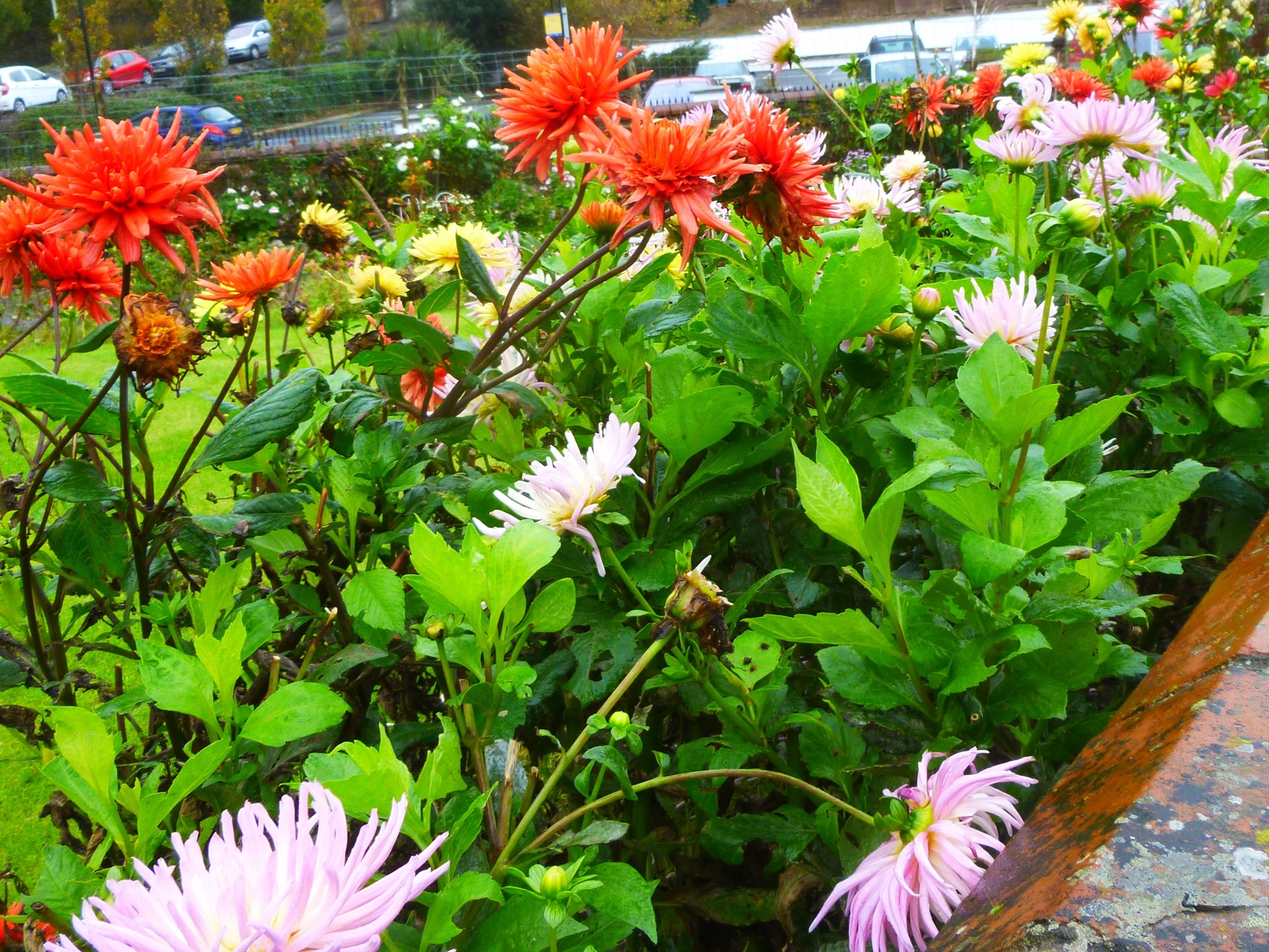 I’ve been snooping again. In truth I rarely stop. On reflection perhaps the word “snooping” is a little harsh. The word might roll deliciously off the tongue like a cough candy twist but it also suggests activities that may well be of interest to the local constabulary. I will try again.
I have been showing a notable interest in the indigenous population of my community and studying their horticultural activities in the immediate environs of their dwellings. Actually …
I have been snooping into other peoples’ gardens again.
This particular front garden announces itself from afar. Bold and defiant, it is a dahlia lovers dream. If you don’t like dahlias grown en masse, then hard luck. No nampy pampy single flowered or delicate species here, just “read ’em and weep” ornamentals. Cactus, waterlily, decorative, all here in their understated glory, proud and unabashed. Not for everyone I am sure, but personally, I love it. All Power to the Dahlia!
Chick, chick, chick, chick, chicken
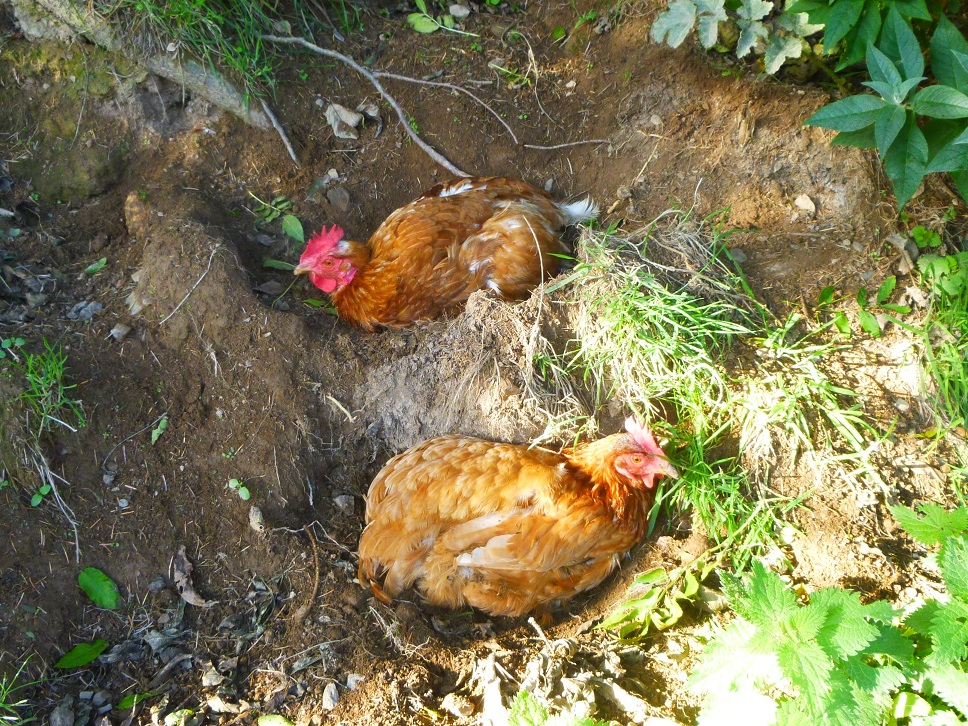 With extreme generosity I have given myself the rest of November off. It is a buffer zone of decadence between the past and the future. This does not mean that I will stop posting, just that I will be continuing in the rather random fashion I have utilised over the past three months. Then the fun begins. Lined up in the wings, snorting with anticipation, are new missions (I have chosen to accept them) to challenge me. Wondering what they have let themselves in for, new clients are awaiting my first spade strike. My travels will take me not too far and only a little bit wide, but I will promise you tales of daring-do. The highlight may be handsome pig named George. You will have to wait to see said porcine pin-up but you may meet his dust bathing colleagues. Always leave them wanting more.
Rosemary is for Rembrance
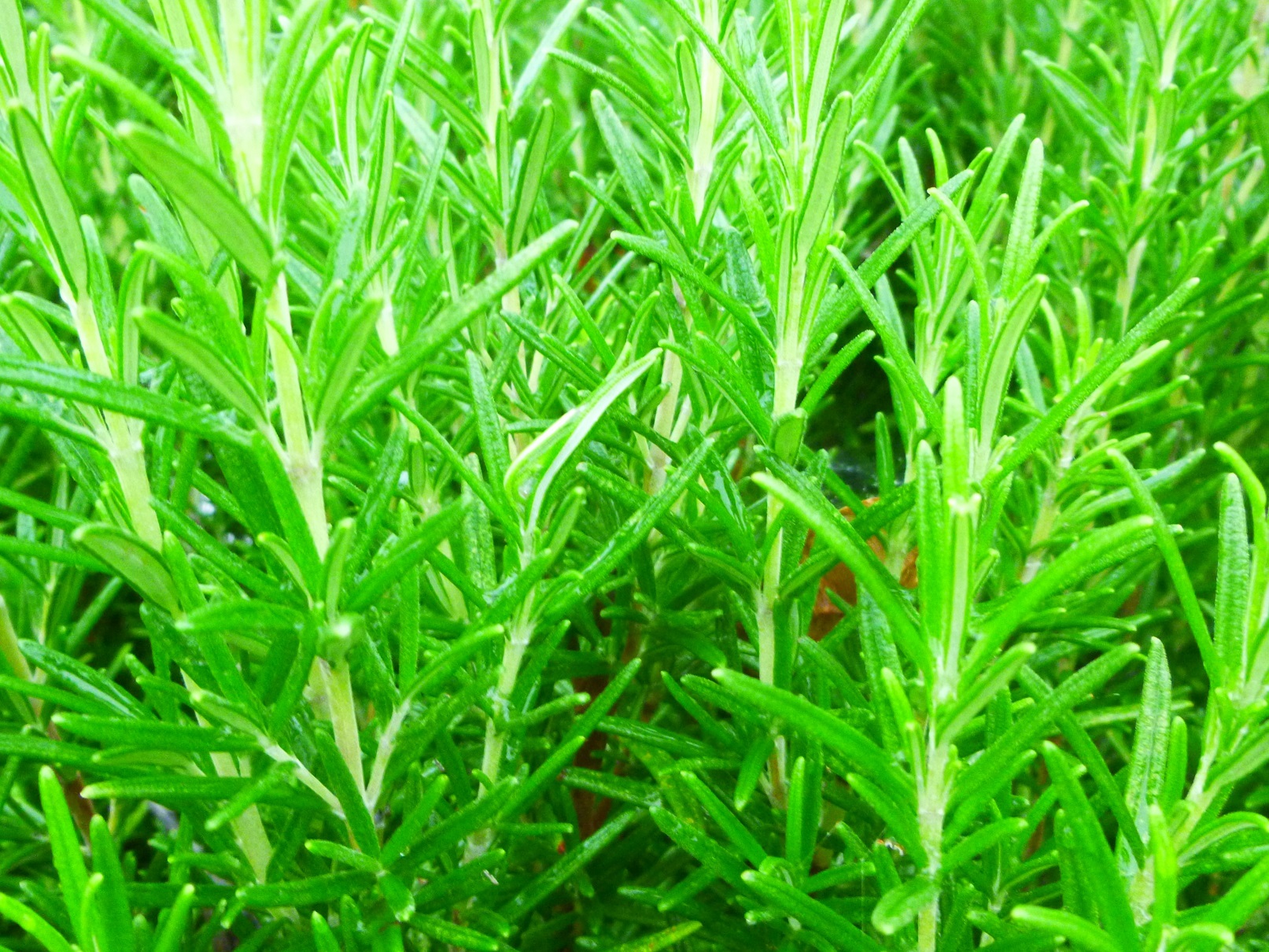 “There’s rosemary, that’s for remembrance.” (Hamlet, iv. 5.)
Euryops chrysanthemoides – African Bush Daisy
 I may have mentioned it before but I have a bit of a thing about cotoneaster, specifically Cotoneaster horizontalis. This “thing” is situated a little south of “hate” and a little north of “irritation”. My gripe is not so much with the plant (it can’t help its lack of charisma) but the fact that it is used as a matter of course in most public plantings, be it supermarket, multiplex or shopping mall car parks. Has a landscaping law been passed that omission of this singularly unimpressive shrub in any planting scheme will result in a night in the slammer? Did the Local Authorities of the UK negotiate a buy one get a million free offer and are slowly working through their massive stocks? Is there some kind of secret and all powerful cotoneaster society (with appropriate handshake) that is championing these wiry grey dullards? Let me introduce you to Euryops chrysanthemoides, the African Daisy Bush, which is widely used in these parts in parks, and other public places. This particular plant, along with fuchsias and hebes, is in a border edging a public car park. Although you could be forgiven for thinking that it is an herbaceous perennial or even a hardy annual, it is actually a fully fledged shrub. The buttercup yellow flowers, which appear throughout the year and are often prolific, brighten the day to day lives of passersby. This surely should be the role of these shared spaces. They shouldn’t be an afterthought, a knee jerk, “bung anything in as it will never be maintained anyway”. Beautiful and uplifting planting should be an integral part of any design. These living works of art won’t be making anyone any money but they will be making people feel better about their environment and this surely is a good thing. My spirit was lifted today by these orbs of gold, I hope they lift yours too.
Have you seen the Muffin Man?
 Today was my last day at Cliffe. As expected it was heady mix of tears and treats, fun and goodbyes. We toured the garden and discussed the occupants, we drank coffee and discussed the good times. We talked about the future and reminisced about the past. Returning to the Potting Shed after lunch at Hero’s house we discovered a plastic container on the doorstep. Within this mysterious container were definitely (not probably) the best muffins in the whole wide world. After a long debate as to where these scrumptious cakes could have come from, Hero, as clever as ever, suggested the clue might lie within and we should eat every one to find the answer. This was either an ingenious act of martydom or a cunning plan towards gluttony, not really sure. After some intensive detective work the perpetrator was discovered and TT was found guilty on all charges. What a star and a reminder of not only the amazing people I have worked with over the last 8 years but also the many wonderful people I have met because of the garden. Proof that there are enough good guys out there to kick the bad ones into touch. Hopefully I have told the ones that matter what I feel about them. If not, forgive me, I always meant to.
So the disco balls were packed up and I climbed the hill to give the medlar one last hug and a few words of farewell. It has been good, very good. Thank you.
Seat with a View
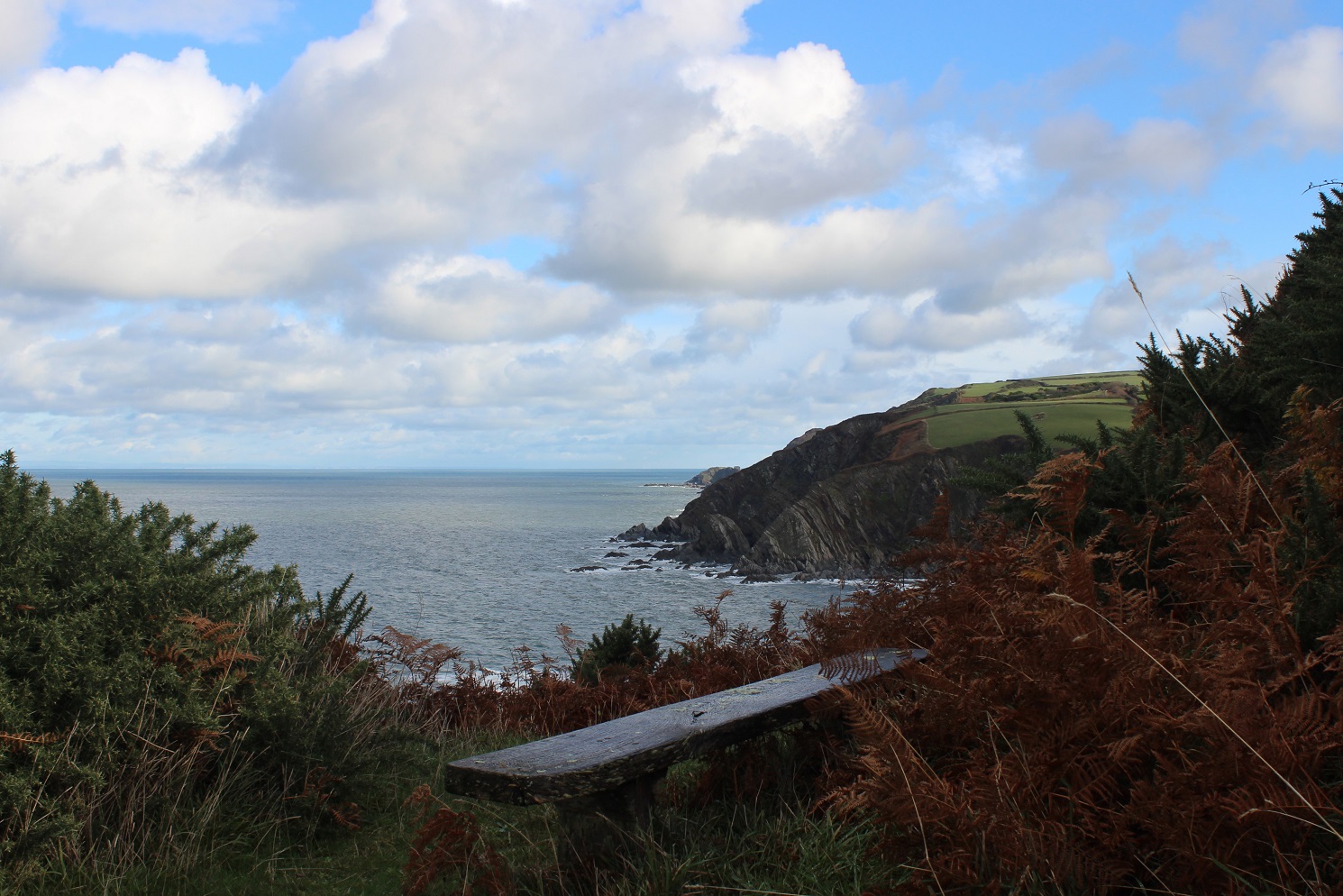 Over the past 8 years I must have taken the short walk further up hill onto the Coastal Footpath less than a handful of times. Myself and Hero often talked about taking our lunches up to one of the benches to enjoy a change of scenery, but it turned out to be all talk and no action. We were too comfortable in our customised Potting Shed and the prospect of more “up” in our lives not tempting. Now coming to the end of my tenure, and feeling a little nostalgic, I decided to wander up to see what I had been missing. Darn it!
What the doctor ordered
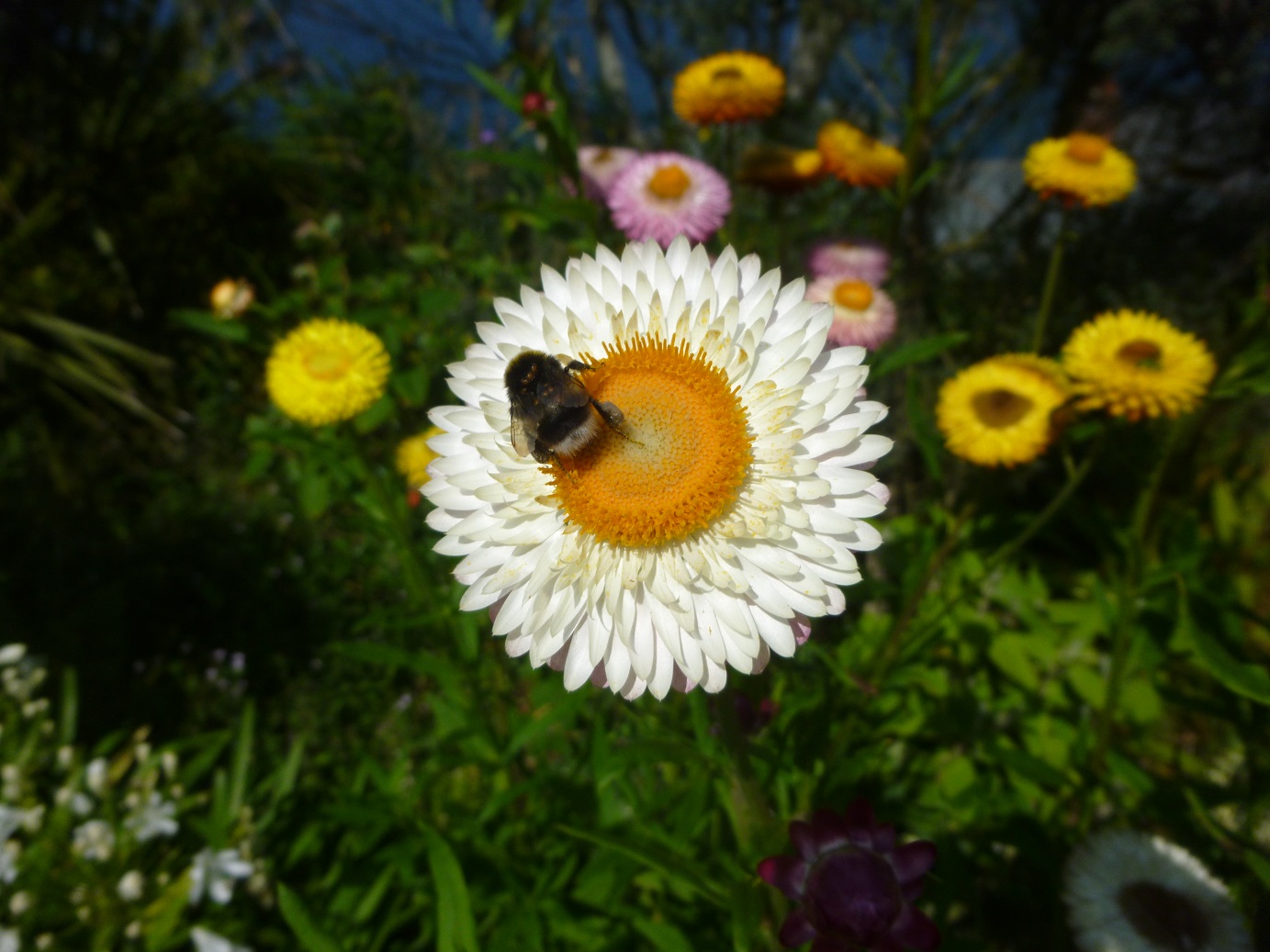 It is wet, it is miserable. Although dry I too am mildly miserable. This calls for a little bit of emergency sunshine from the archive. And a bee. I’m feeling better already.
Its Good to Share
 As I am afflicted with an extreme case of nosy-itis it is impossible for me to refrain from examining other people’s front gardens when I am dawdling down the road. More often than not there is something interesting to spy on, all visible from the street without having to resort to stalker status and causing them to release the dogs. Sometimes I am intrigued by unusual colour schemes or planting combinations. Sometimes a mystery plant gets me wondering or a special specimen gains my admiration. Sometimes I am disappointed by neglect or excessive hard landscaping. The front garden as a forum to show off your gardening prowess has diminished in recent years. They are being converted into hard standings for cars or are so “low maintenance” that it would be stretching the parameters to call it a garden anymore. This saddens me. It has been proved that paving over your front garden exacerbates urban flooding, this is due to the decrease in soak-away and resultant increase in run-off. More than this, any reprieve from harsh tarmac and concrete will surely only improve our environment aesthetically. Not only for ourselves but our neighbours and the curious creatures that walk past your home.
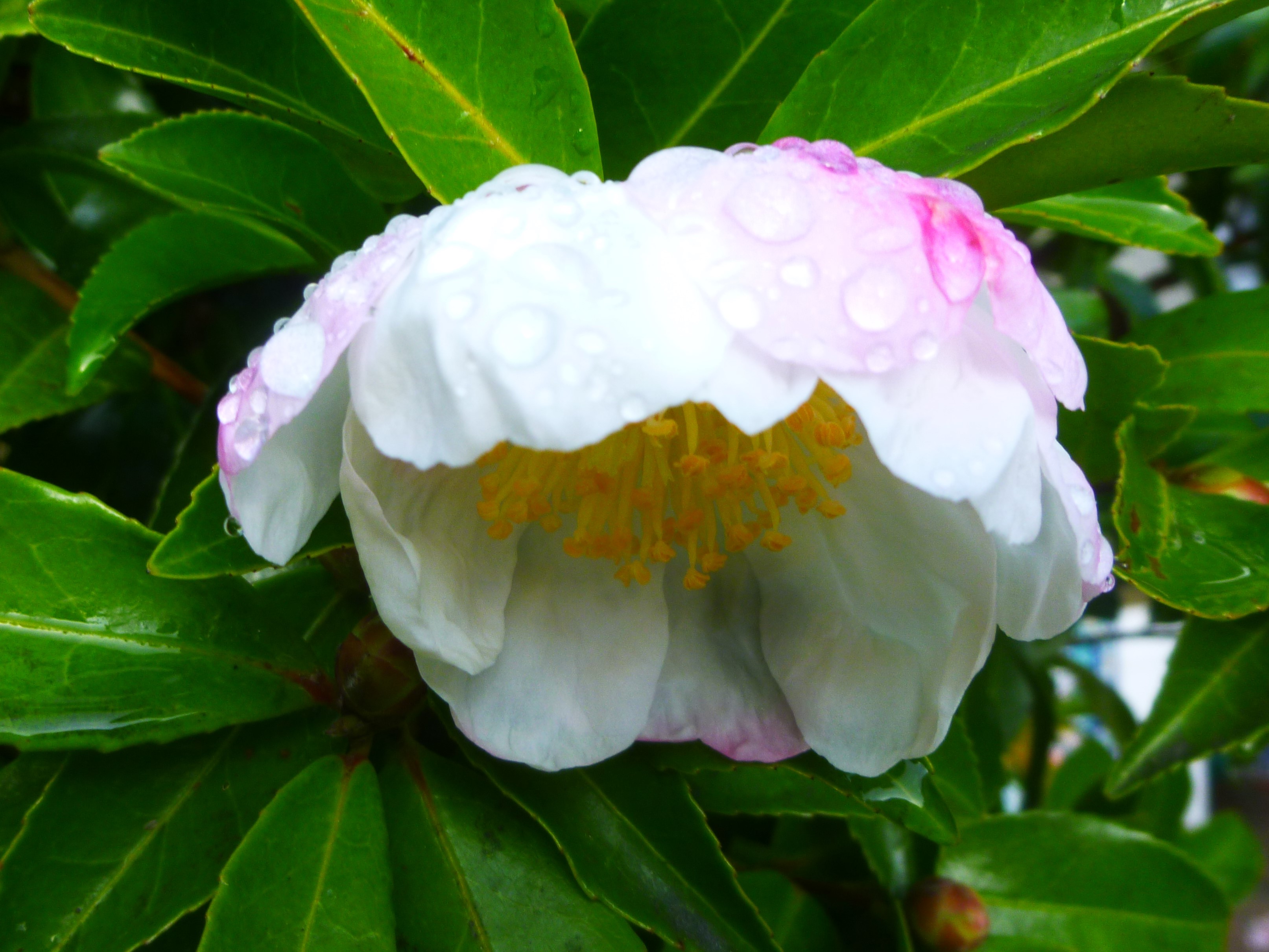
This autumn flowering camellia with its downward facing pink flushed blooms came in both the “mystery plant” and “special specimen” categories.
A Gift
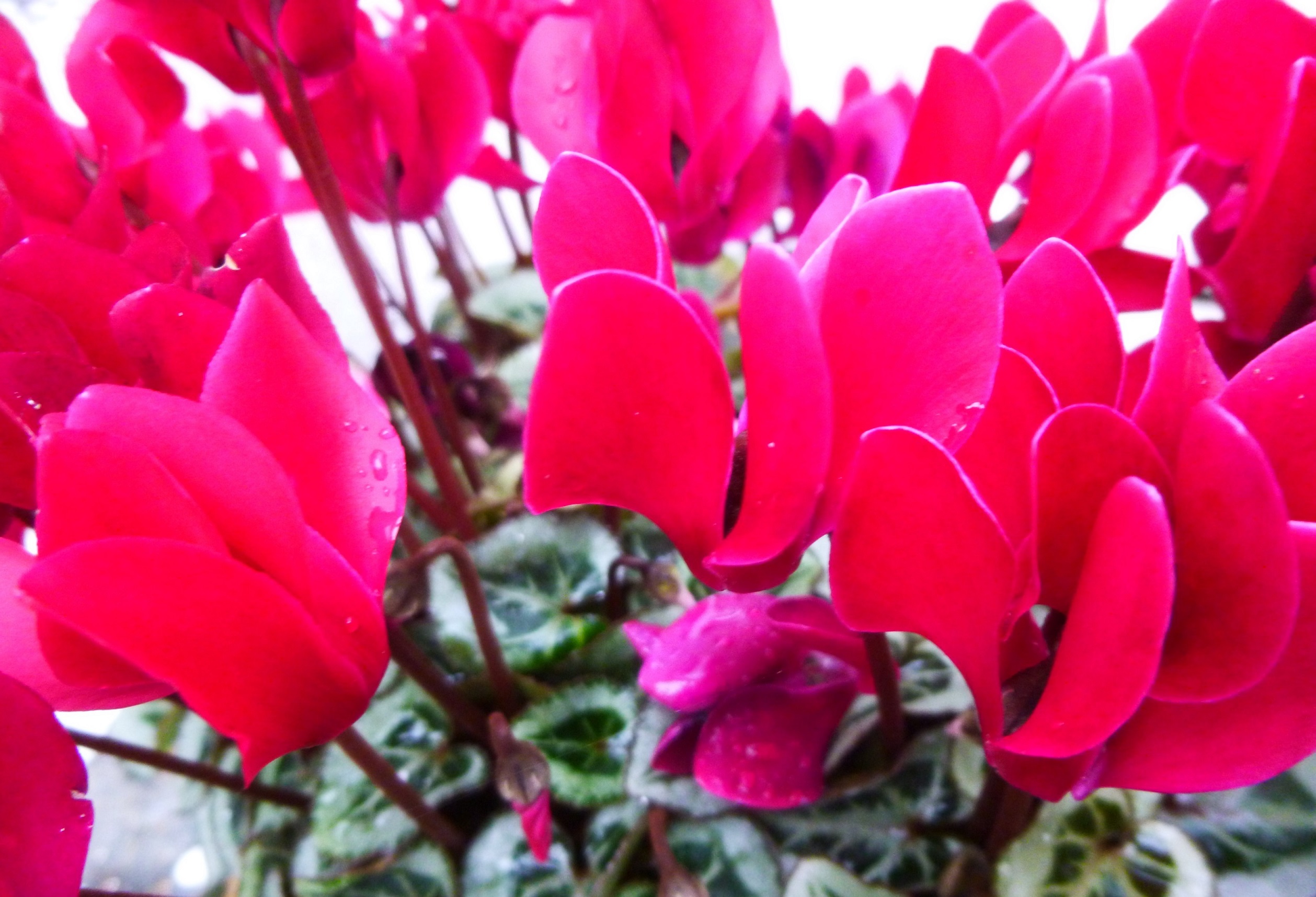 A unexpected gift is a wonderful thing, especially when it is a cerise cyclamen.
 Off The Edge Gardening