Six on Saturday – It’s a Miracle

It is Saturday.  Outside it is blowing a hoolie and periodically horizontal rain joins in the fun.  My ‘to do’ list makes War and Peace look like a novella.   I have writing to finish and don’t need any diversions thank you very much.  All great excuses not to participate in The Propagator‘s Six on Saturday.  But as I can be contrary even to myself, I thought, “why not, the rest can wait, I will brave the storm”.  And so I did.

First a stalwart of this little garden, Parahebe catarractae, which I believe might be now called Veronica catarractae, feel free to take your pick.  It was here when we arrived and flowers almost non-stop.  It was tempting to save this icy blue maiden for another day, for when I am desperate for blooms, but it deserved better than to be a fill-in.  Delicate, reliable, undemanding, all worthy attributes.
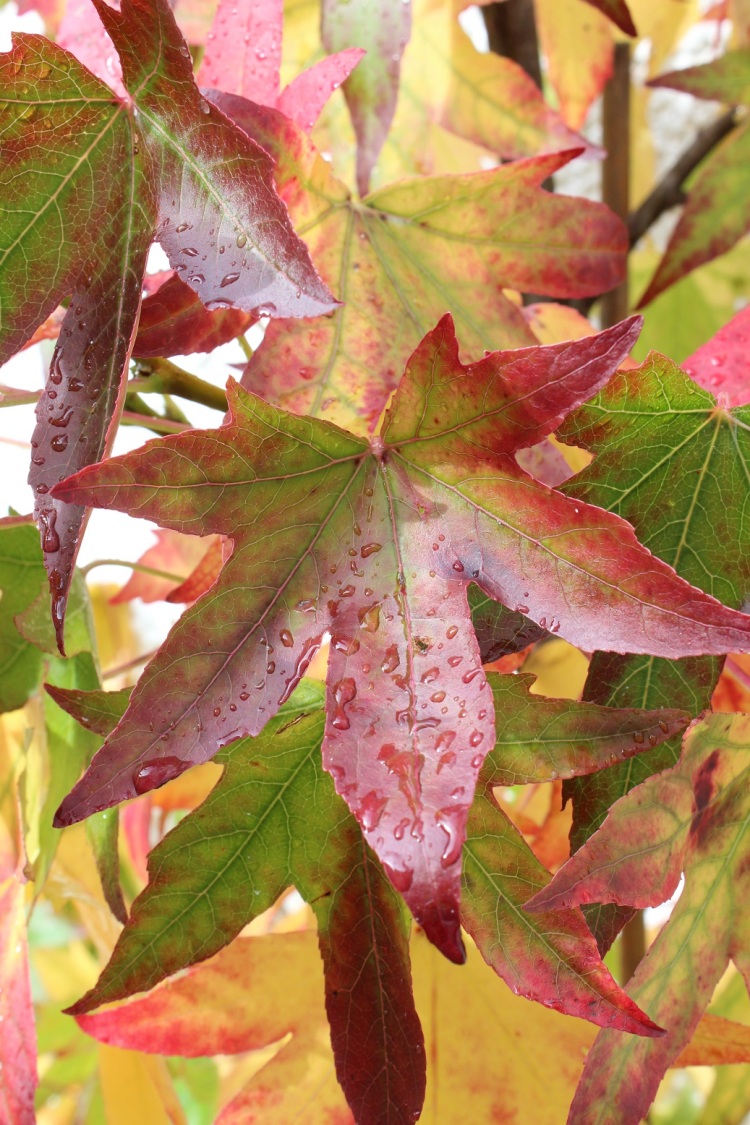
Liquidambar styraciflua

Next is our Liquidambar styraciflua, the American Sweetgum, which grows in pot in the small courtyard outside the kitchen door.  Totally inappropriate, but like a small child who wanted it now, I wanted it NOW.  Asking an assistant at a reputable plant centre (very very very reputable) if they sold liquidambars he said he had never heard of it and did I know the Latin name.  Um.  We found one in the end at “I can’t remember where” and it will have to stay in its temporary accommodation until we move to a mansion in the countryside with a couple of acres of land. Um again.

Argyranthemum
Argyranthemum

Right, who’s next?  Oh yes, this little argyranthemum, rescued in the spring from the bargain bin at a garden centre. It has battled, as everything out the front has, with prolonged and vicious mollusc attack.  Still, it has struggled through and hopefully will last the winter.  The Great Hedge of Ilfracombe next door has been cut down to a couple of feet, which has been wonderful for us and our sea views.  This might however be to the detriment of some of the more vulnerable over the winter months when the wicked winds pick up.  We will see.
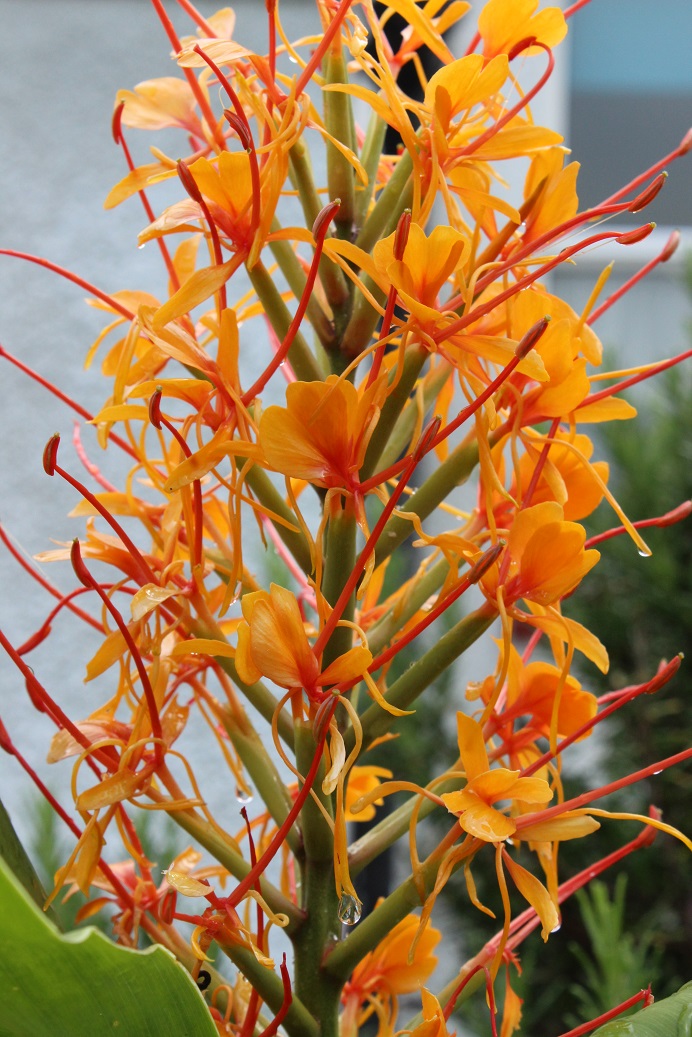
Hedychium 'Tara'
Hedychium ‘Tara’

Now we have another of my beloved ginger lilies the exotic beauty, Hedychium ‘Tara’.  I think she speaks quite nicely for herself.

Pelargonium 'Calliope Hot Pink'
Pelargonium ‘Calliope Hot Pink’

On to a relatively new arrival to the fold, Pelargonium ‘Calliope Hot Pink’.  We are lucky hereabouts that pelargoniums often over-winter in our benign climate.  Cue the worst winter in living memory. Favourites do get protected from the worst of the rain and I think this may be one of the cossetted ones.  Just in case.

Fuchsia microphylla
Fuchsia microphylla

It wouldn’t be a Six on Saturday without a fuchsia.  So to conclude, the final contestant in today’s beauty contest is the diminutive and most charming Fuchsia microphylla.   When I was a child I loved visiting model villages, where everything was in miniature perfection.   This fuchsia evokes the same Lilliputian love in me.

There we have it Mr P.  Four weeks on the trot.  It’s a miracle.  It can’t possibly last.


Osteospermum ‘Double Berry White’

A day of dodging showers at The Farm.  No matter, most of the time I was in easy reach of a waterproof or a shelter.  There were plenty of indoor jobs to be done.  In the greenhouse the tomato vines, which had been allowed to express themselves freely over the last few weeks, were trimmed and tweaked and a bucket full of fruit collected.  The cyclamen that bloomed all last winter, providing a little cheer outside the office door throughout the gloomy months, were potted up and are already producing flowering stems.  No thanks to the general apathy toward them by the gardener.  Rooted Penstemon ‘Garnet’ were potted up.  Other cuttings were checked and any suspect material removed.  Belt and braces cuttings were taken of Osteospermum ‘Double Berry White’, just beginning to get into its stride after a winter knock back.

So along with a little weeding and planting out, it was a very successful day.   Oh and Farmer Tony gave me a brussel sprout hat.  Yes, it is true, a hat that ties beneath your chin and makes your head look like a sprout.  I was overwhelmed with emotion.  I may save it for Christmas.

Persicaria amplexicaulis ‘Rosea’

Do not compare persicaria with its delinquent relative, the black stetsoned Japanese Knotweed. Although often vigorous, they are not concrete breakers, and their beautiful flowers are long lived and buzzing with insect life.  This Persicaria amplexicaulis ‘Rosea’ is looking spectacular at the moment, both to myself and the hover flies that are crowding its slim pearly pink blooms.

Octopus roses and cauliflower ears

It is not often that I have a mono-job day.  I am by nature a flitter, and prefer to have a variety of tasks to fill the hours.  Today however myself and Mrs Bun undertook to tame the great tangle of rose that divides the vegetable garden with the rest of the garden.   It was a struggle, it was dangerous, it was painful, it was fun and it was successful.  The unruly octopus was tamed and tied in, resulting in many tenacles bound for the bonfire, but it put up a stirling fight in the process.  At one point I bashed the side of my head and my ear so hard on the arbour seat, which had been moved not far enough out of the way, that bells rang and tears welled.  However, I was extremely brave and refined in my response to this incident.  Most unlike me.  Later Mrs Bun told me she would have brought me smarties if I had cried.  Bravery does not pay.

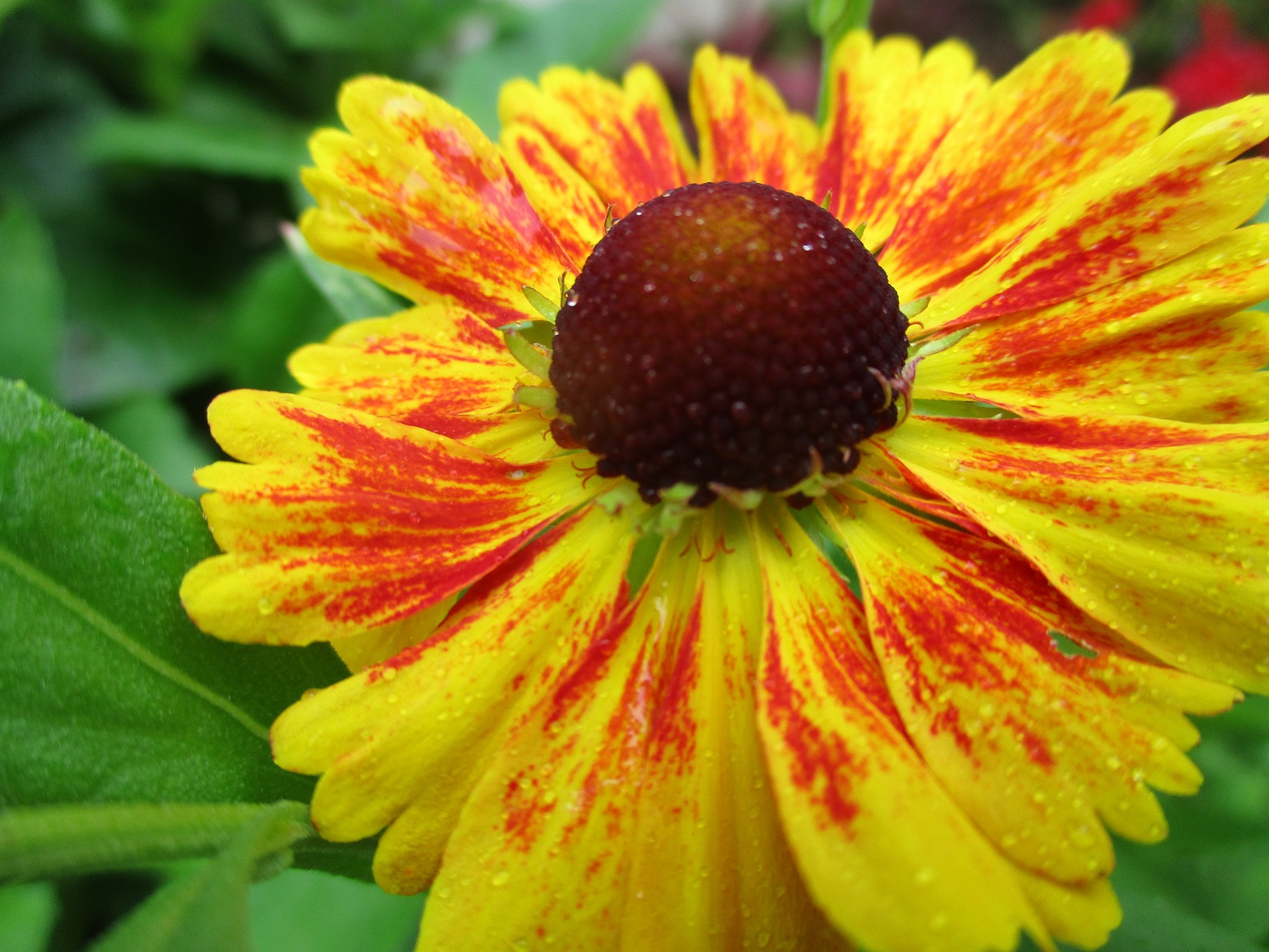
The more astute of you will have noticed that the photo above is not the aforementioned rose, or indeed any rose.  It is Helenium autumnale, grown from seed to flowering in one year.  Well I was impressed.

Six on Saturday – Once More

It is the weekend again and what does that mean?  No not roller disco and pints of piña colada,  it means it is Six on Saturday time!  Thanks to The Propagator for hosting this meme.

Firstly we have Roscoea purpurea, it is a dark leaved variety so may well have another name. I’m afraid any label is lost in the jungle, but I may well come across it in the future.  I am a big fan of the ginger family and, if I was to be honest about it, I have too many for my tiny garden.  And if I lose their labels I’m not sure I deserve them.  But I won’t learn.  As you will see very soon.

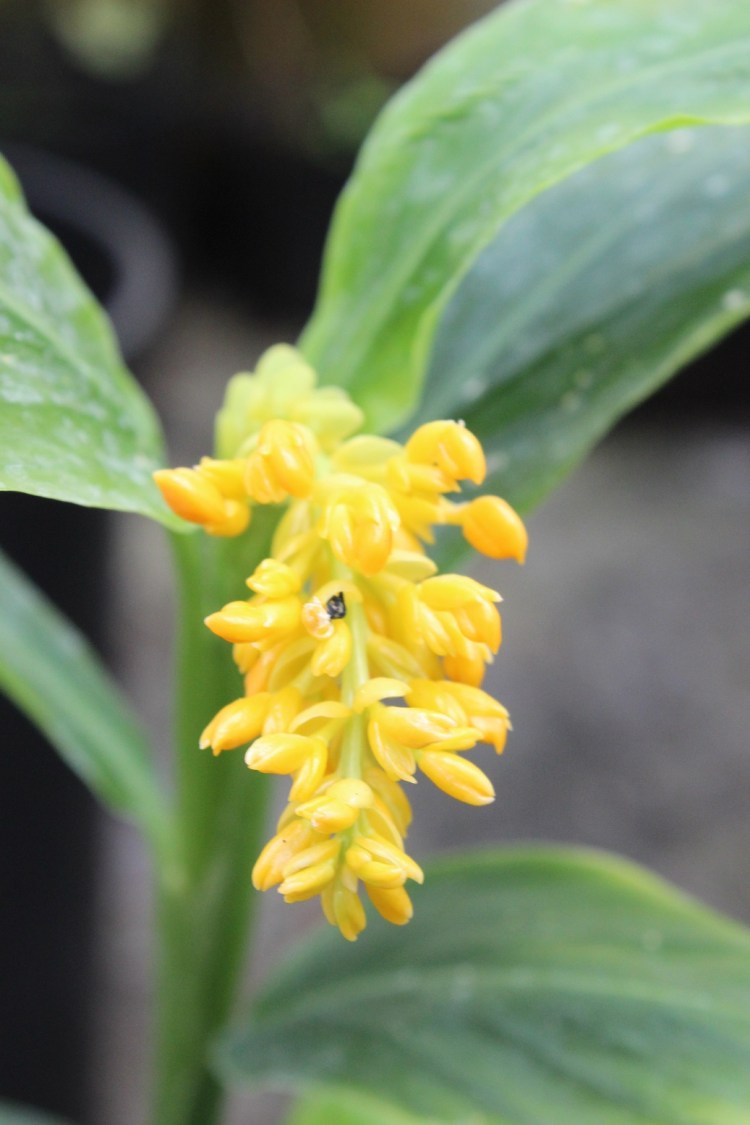
I buy a lot of plants.   Most of these are for other people.  It is always enjoyable spending other people’s money but sometimes it is hard to let go of my purchases.  Occasionally they have to be prised out of my hands.  This week was different and I indulged myself with two new exotics, Globba schomburgkii and Hedychium ‘Pradhanii’.  Both in the ginger family.  Oops, here we go again!  There is nowhere for them to be planted out at the moment, but I don’t care.  They are mine, all mine! For the moment they will be quite happy to remain in pots, where I can keep a close and happy eye on them.  Here is the gorgeous globba.

Globba schomburgkii
Globba schomburgkii

In my mind it is hard to beat an osteospermum and this one is no exception.  An unnamed cheap and cheerful number, living in a pot outside my back door, it rewards me with a smile every morning.

Osteospermum
Osteospermum

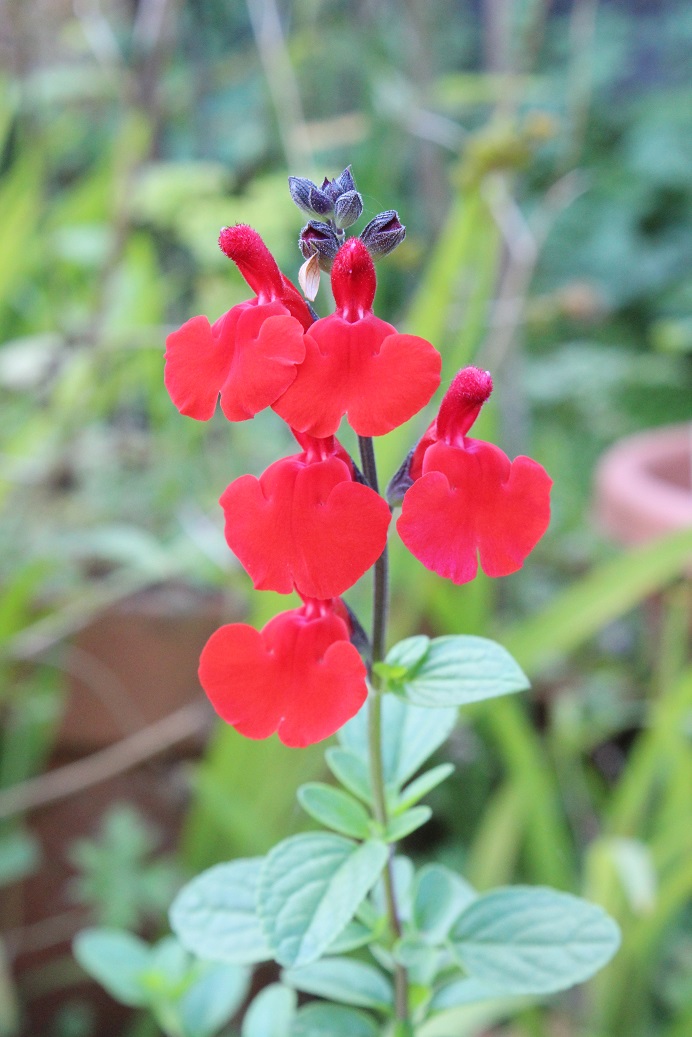
Next we have Salvia ‘Royal Bumble’ which was a gift from my friend Torrington Tina.  Such a pure red, I love it.

Salvia 'Royal Bumble'
Salvia ‘Royal Bumble’

Now for a mystery rose.  It was in the garden when we arrived and has been a stalwart.   This particular bloom is a nice surprise after the main tranche of fllowering earlier in the summer.

Rose
Mystery Rose

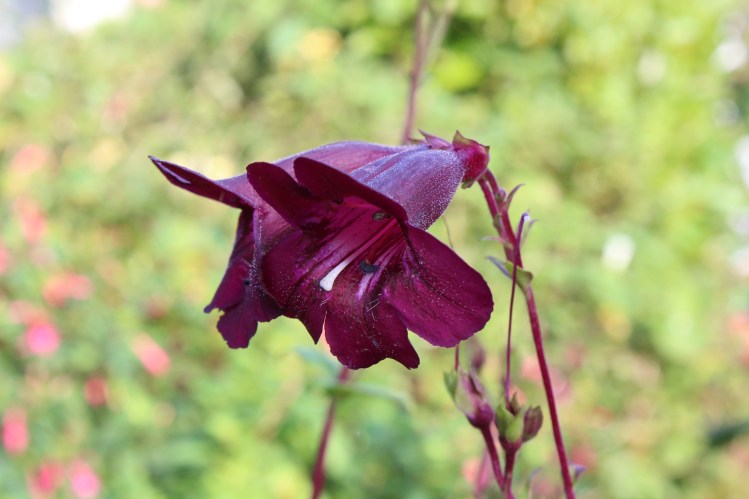
Lastly we have a penstemon.  Another genus that I have a lot of admiration for.   This particular one comes from a cutting I took in one of my client’s gardens (with permission obviously).  It is tall and dark and moody.  Perhaps ‘Raven’.  Whatever its name, it is a great beauty.

Penstemon 'Raven'
Penstemon ‘Raven’ (perhaps)

Thanks again Mr P, that’s another Saturday Six sorted, now where did I leave my leg warmers …….

Confused

Over the past couple of weeks I have noticed some horticultural anomalies, events seemingly out of kilter. There have been second, albeit fleeting, flushes of rhododendrons and wisteria, forget-me-nots are coming into bloom and crocus leaves emerging.  Today at the Mantle Estate, my most favouritist magnolia was having another attempt.  Confused?  Perhaps a little.  Mind you, I wouldn’t complain if spring happened again, it is after all the best season.

Salvia forskaohlei – Indigo Woodland Sage

A low whitewashed wall forms one end of the play area at The Farm.  In front of this wall (on the football free side) there is a narrow border, about 60cm wide, running the length, about 3m.  It is a sunny bed with shallow soil.  Last year we grew dahlias (which on reflection did surprisingly well), french marigolds and orlaya.  The latter was a mistake.  Who would plant a white flower in front of a white wall.  A fool, that is who.  Or should that be “that is whom?”.  Whom cares?  If it was a perfectly camouflaged flower we were looking for, it would have been the perfect choice.

This year we have again used the seed grown dahlias and golden tagetes, with the addition of the Salvia forskaohlei.  Hard as it is to believe, this is not an anagram.  This beautiful sage, native to the Balkans, was named after an 18th century Finnish naturalist called Peter Forsskål.  Contrary to what its common name would suggest, the Indigo Woodland Sage is a sun lover.  It has romped away and apart from an occasional mollusc nibble and maverick toy tractor being driven into it, is trouble free.  A far better option.

Just Looking

Today I did a lot of looking.  Sometimes it happens that way.  Things catch your eye and demand closer inspection.  Like the raindrop on the ‘Lobelia Hadspen’ Purple flower above.  If you are in the pay of CSI or Miss Marple you will have noticed my reflection within the little drop.

Then it was an echinops that caught my attention, with seeds seemingly cascading in a frozen waterfall.   With specs on I could see that it was tied up in a safety net of spiders web.

Echinops

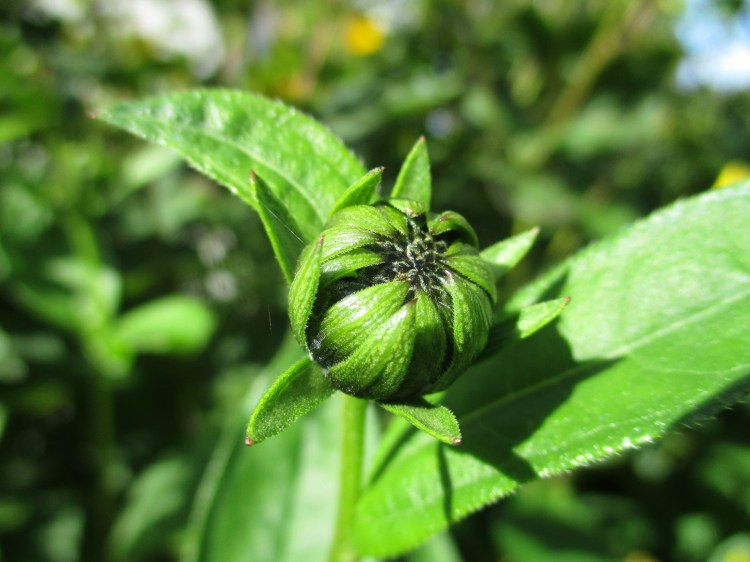
Next the tight emerald bud of an perennial sunflower, perfect in its potential.

Bud

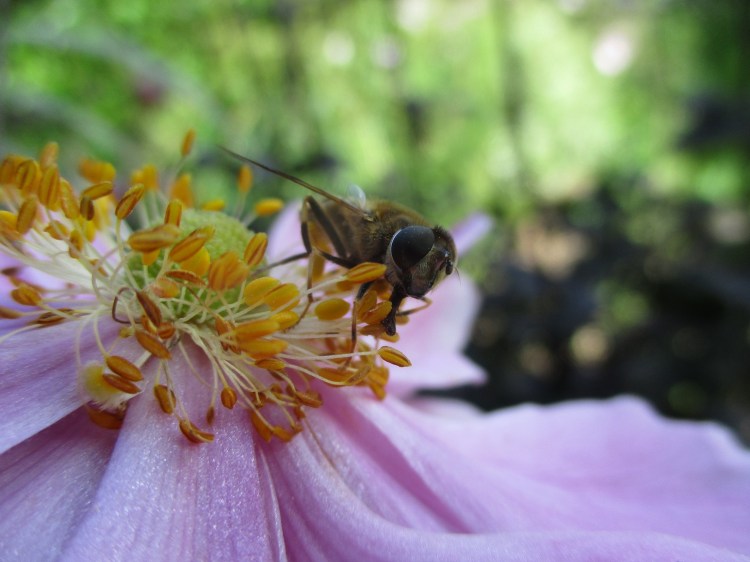
Then a buggle-eyed bee feasting on a Japanese anemone.

Japanese Anemone

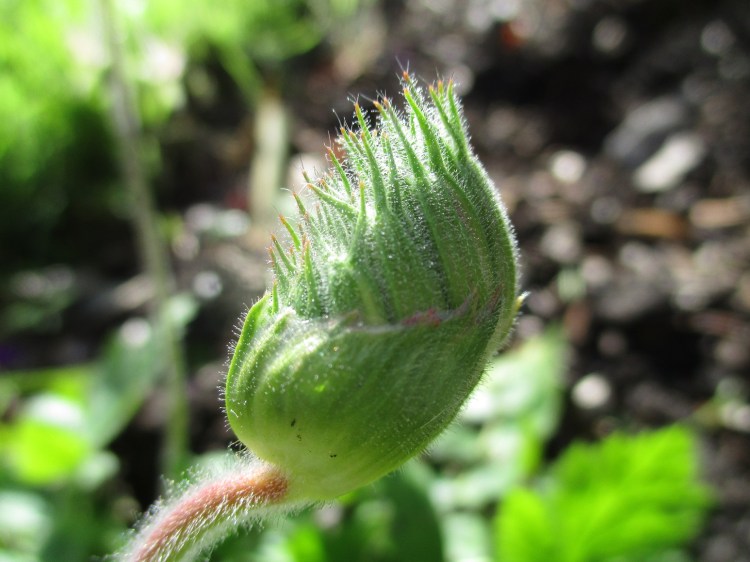
And the new leaf of Erodium manescavii, reaching like a hand towards the warm sun.

Erodium manescavii

Finally, up close and personal to Verbascum chaixii flower, pink breeches and orange socks.

Verbascum chaixii

That was a quite a lot of looking,

Clog Popping

It is that time of year again.  The time when, for those so inclined, pockets become full of seed of all sizes and persausions. Sometimes these collections are carefully placed in paper bags to be safely sorted and stored later, often they are wrapped in a corner of tissue only to be recovered after a 30C wash.

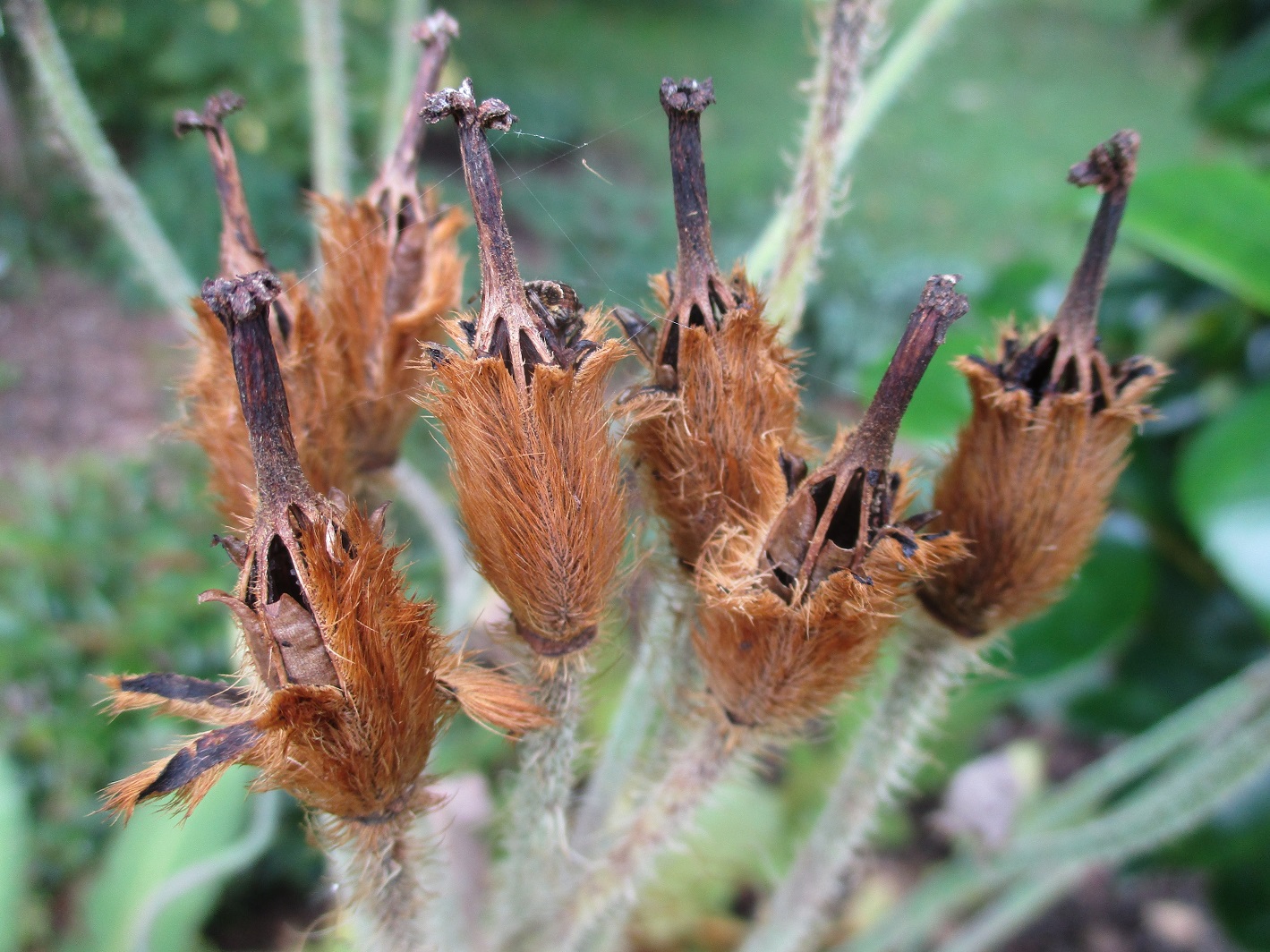
Not all plants donate obligingly.  A few are reluctant to set much seed and any are a Godsend. With others you must be quick off the mark, the seed are catapulted about the garden before you have a chance to catch them.  Some harvests are inevitable, such as the above Meconopsis napaulensis. This wonderful plant, the Satin or Nepal Poppy, is monocarpic.  No, this has nothing to do with toilet cleaner.  What it means is that once it flowers, it thinks, “job done” and then promptly pops its clogs.  In these delightfully furry seed pods it has, very wisely, produced a zillion seed to make up for this short and glorious life.

Landing Pad

Buddlejas often get a bad press.  They seed themselves everywhere, specialising in the most inaccessible places.  Perversely this is one of things I like about them.  It is the “when all us stupid humans are gone it won’t take long before there will be no trace left” that makes me smile.  They are also magnets for pollinators, perhaps a slightly less Armageddonesque reason to love them.

This pink beauty is doing well at The Farm.  Rescued earlier in the year from a garden centre Death Row, it has made a full recovery.  Last week it was full of bees and butterflies, as any buddleja worth its salt should be.  Unfortunately these supping beauties were too quick for me, you will have to make do with their landing pad.